%20copy%202.jpg)

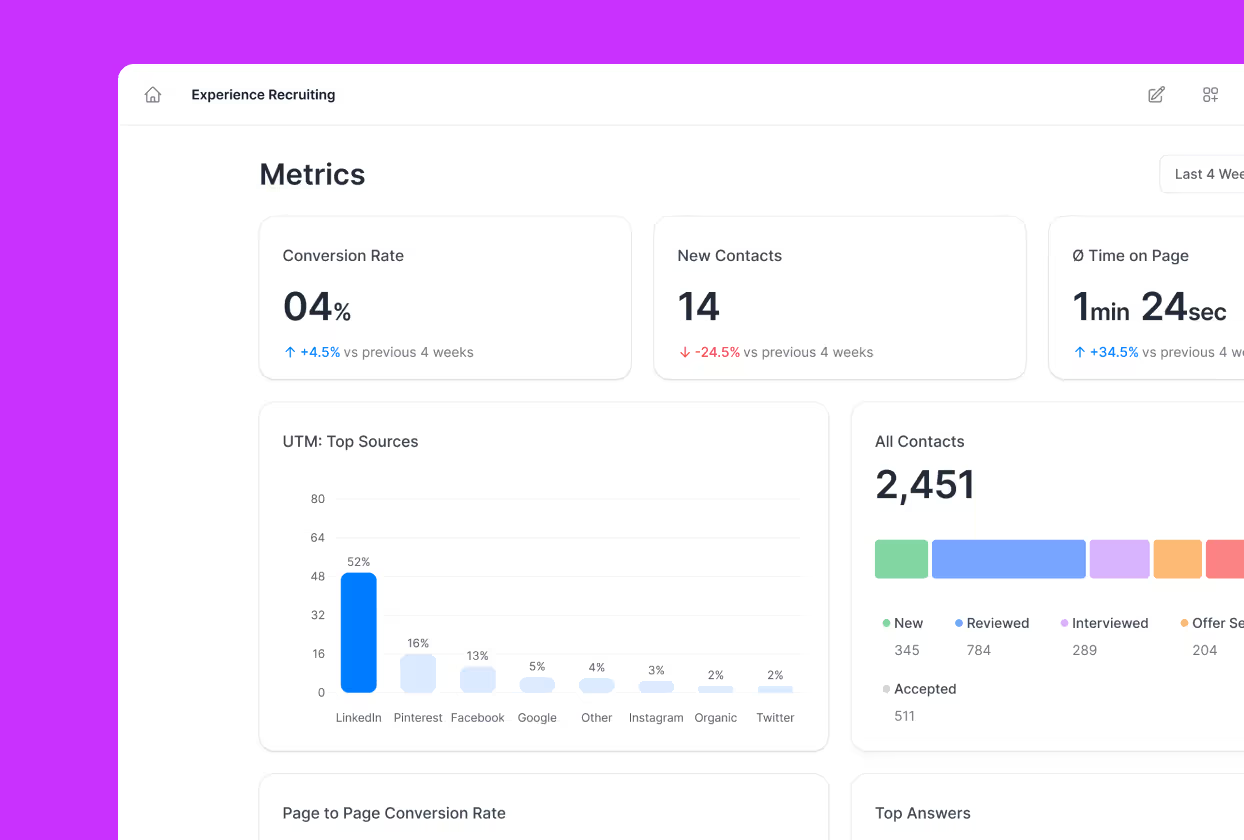
Not every lead is worth chasing. But when hundreds of contacts flow in each month, you can't manually separate high-intent prospects from casual browsers.
That's where lead qualification software comes in.
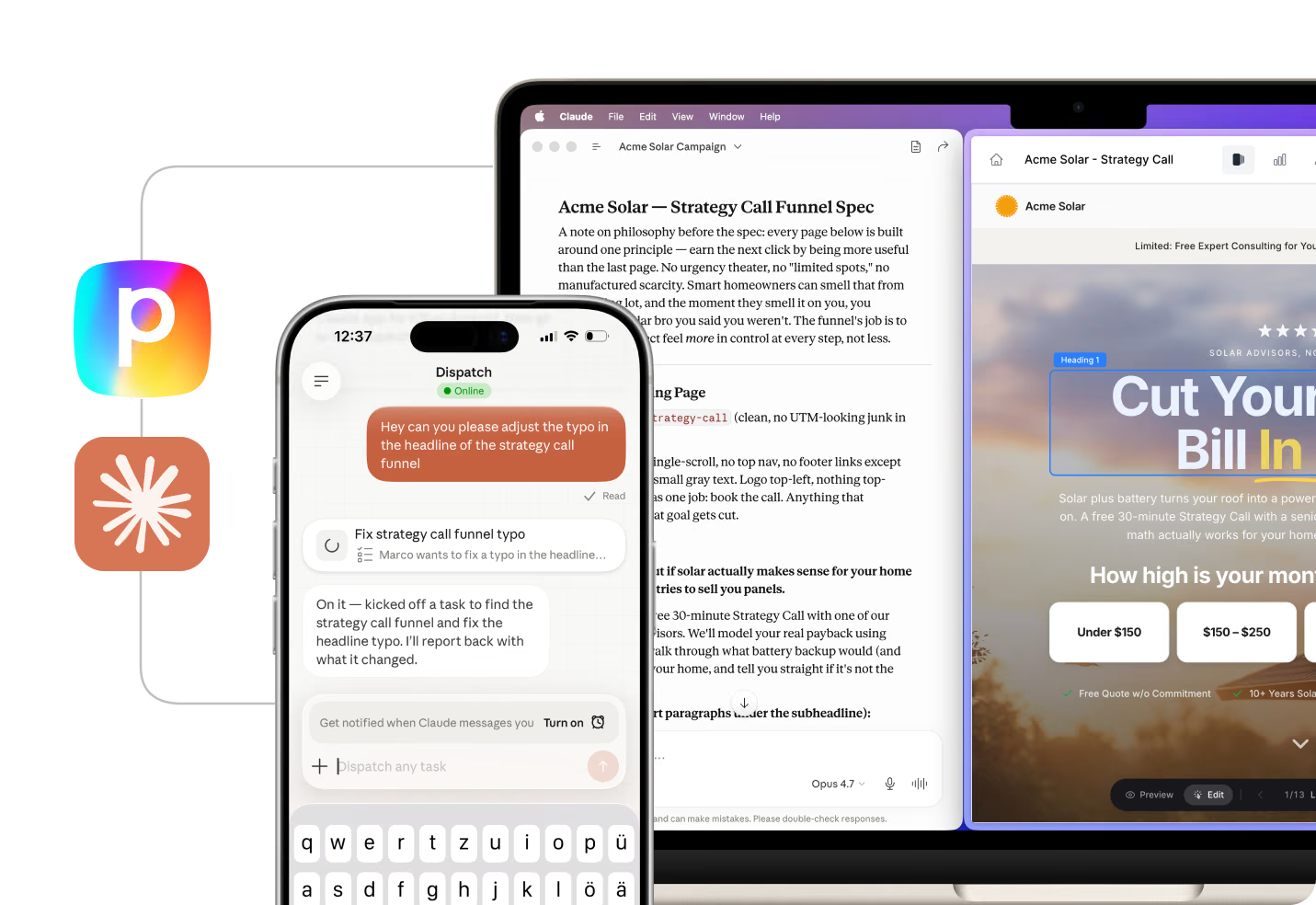
The right platform quickly converts inbound traffic into booked meetings. It qualifies leads during the funnel, routes them in real time, and automatically books the next step.
This guide breaks down 16 lead qualification software platforms for 2026. You'll see what each tool is best at, who it's built for, and how to choose the right fit.
Let's dive in 👇
Best lead qualification software: quick comparison
1. Perspective - Best overall lead qualification software
2. HubSpot - Best lead scoring
3. Chili Piper - Best for inbound conversions
4. Calendy - Best scheduling-first option
5. Apollo.io - Best for outbound prospecting
6. Clearbit - Best for real-time enrichment
7. MadKudu - Best for predictive scoring
8. 6sense - Best ABM qualification solution
9. Drift - Best conversational qualification tool
10. Clay - Best for RevOps
11. Typeform - Best survey-based qualification
12. Traction Complete - Best routing for Salesforce
13. LeanData - Best for complex enterprise routing
14. LeadAngel - Best lead management tool
15. Leadfeeder - Best for qualifying website traffic
Lists only tell part of the story.
The next step is testing a lead qualification tool on your own traffic.
Defined: lead qualification software
Lead qualification software stops every lead from going into the same bucket. It qualifies people as they convert, then routes them to the right next step based on their intent. This ensures that each lead gets the right outcome without delay.
It's useful when you need to respond fast and stay consistent as inbound volume grows.
Why lead qualification software matters
Lead qualification software turns speed and consistency into a competitive advantage. When inbound volume grows, manual qualification creates bottlenecks.
Automation removes the lag and keeps high-intent leads moving forward.
Speed-to-lead
The faster you qualify and respond to inbound leads, the higher the conversion rate. Responding within five minutes dramatically increases close rates compared to waiting an hour or more.
Lead qualification software flags hot leads instantly and triggers follow-up before prospects move on to competitors or lose momentum.
More qualified conversions
High volume only helps if the right people make it through. Lead qualification software screens out poor-fit submissions at the point of capture, so you spend time on leads that are actually likely to convert.
Instead of sending everyone to the same next step, it routes each lead to the right action based on their answers and intent. That keeps momentum high without forcing people through long, form-heavy flows.
Clean handoff and follow-through
When different teams qualify leads in different places, the next step gets messy.
Lead qualification software keeps qualification, routing, and next actions in one flow, so the right person gets the lead immediately, and nothing stalls after the form. You also get a clear view of what happened, who owns it, and where each lead went.
16 best lead qualification software (2026)
Choosing the right lead qualification software directly impacts your revenue. It influences how quickly leads are qualified, how consistently they're routed, and how often they reach the right next step.
Here's how the top lead qualification tools compare in practice.
1. Perspective (Best overall lead qualification software)
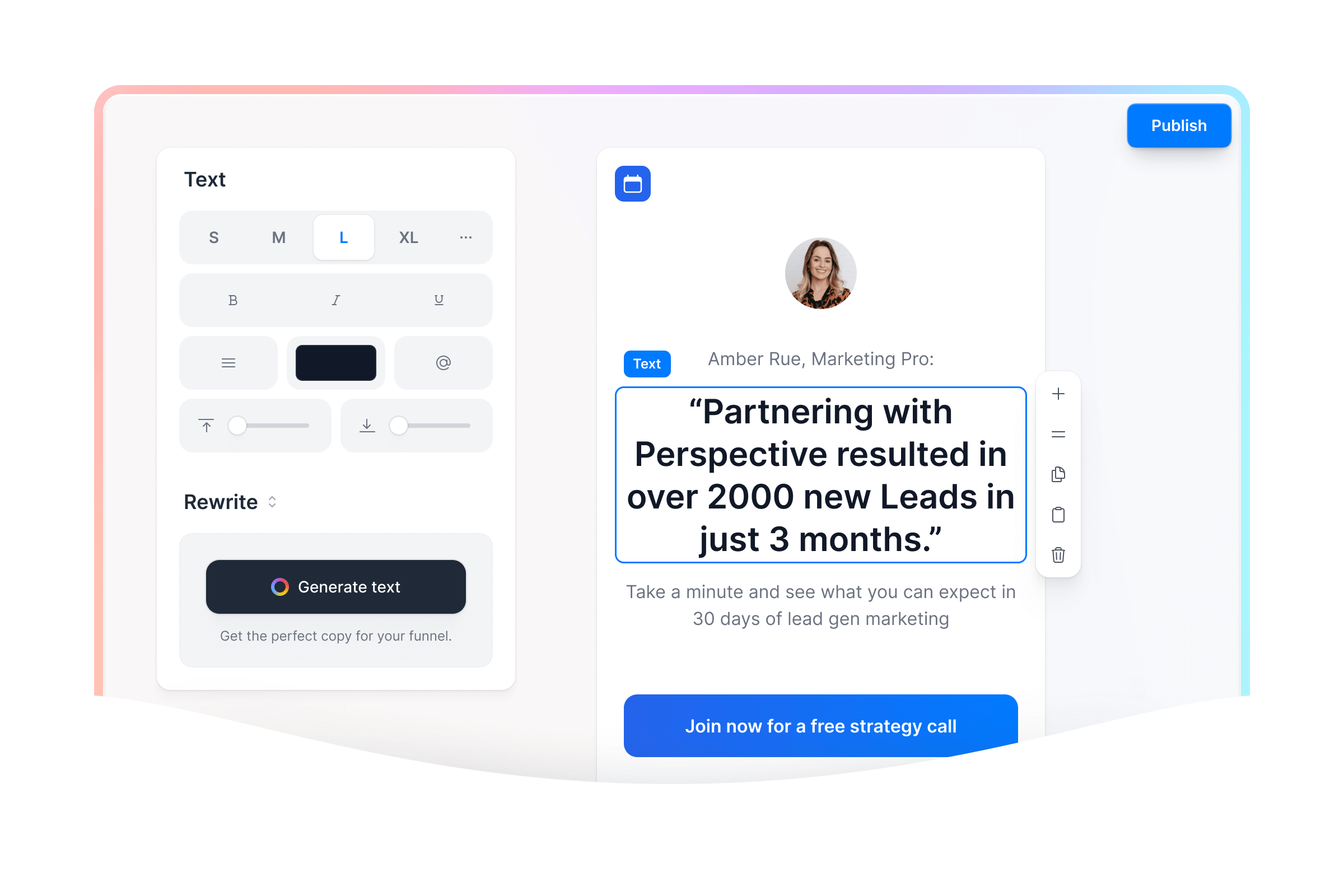
Perspective is the best lead qualification software for teams that want capture, qualification, routing, and scheduling unified in one workflow. It replaces fragmented form tools and booking layers with a single system that turns conversions into the right next action within minutes.
Core features
- Interactive forms, multi-step quizzes, and application funnels that segment leads in real time
- Custom qualification logic that routes leads by fit, intent, territory, or product interest
- Conditional branching that adapts questions dynamically to surface high-intent signals
- Built-in CRM with full qualification history, activity tracking, and pipeline visibility
- Supports enrichment and intent data from partners such as Clearbit or ZoomInfo as inputs for routing and scoring
Integrations
- HubSpot, Salesforce, and Pipedrive for CRM sync and lifecycle management
- Email platforms and Slack for notifications and follow-up workflows
- Zapier for connecting third-party applications
- GA4 and ad platforms for tracking funnel performance
Pricing notes
Perspective offers a 14-day free trial, followed by three annual plans: Base at $62 per user per month, Grow at $193 per user per month, and Expand at $391 per user per month. There is also a custom Scale plan for larger teams.
Pricing is driven by features and funnel volume rather than contact count, making costs predictable as lead volume grows.
Pros
- Unified qualification, routing, and scheduling in one platform
- Strong mobile-first conversion experience for paid traffic
- Flexible workflow builder that adapts to different sales processes
- Fast implementation with ready-to-use templates
Cons
- Focused on funnel creation and optimization, rather than being an all-purpose enterprise marketing cloud
- Advanced enrichment and intent data rely on external providers
Want to see what this looks like in practice? Discover how real customers use Perspective to drive results.
The best way to judge lead qualification software is to try it on your own traffic.
Next step: test Perspective for yourself by spinning up a simple lead qualification funnel and tracking the results.
.png)
2. HubSpot (Best lead scoring)
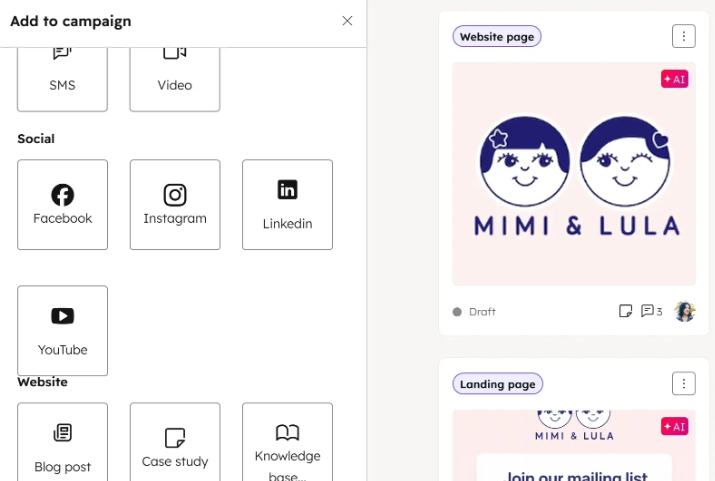
HubSpot is lead qualification software suited to teams already using its CRM who need predictive lead scoring integrated with their existing contact database and pipeline management system.
Core features
- Predictive and manual lead scoring based on demographics, behavior, and engagement
- Lifecycle stage automation moves contacts through MQL and SQL stages automatically
- Forms and conversational bots capture lead data for scoring models
- Basic round-robin assignment in higher tiers, advanced routing needs workflows or third-party tools
- Integrates with Salesforce, Microsoft Dynamics, email platforms, and marketplace applications
Pricing notes
HubSpot offers a free CRM with basic features. Paid Marketing Hub tiers start with Starter at $20 per user per month, Professional at $890 per user per month, and Enterprise at $3,600 per user per month.
Pricing is driven by marketing contact limits, core seats, and required hubs. Costs increase significantly as contact volume grows, with Professional and Enterprise requiring onboarding fees.
Pros
- Strong predictive and custom lead scoring for teams with existing contact data
- Unified platform connects qualification to customer interactions across marketing, sales, and service
- Extensive reporting and real-time insights into pipeline performance
Cons
- Routing capabilities are basic without additional tools or complex workflow configuration
- Marketing contact pricing escalates quickly as lists grow
- Steep learning curve due to platform complexity and feature depth
3. Chili Piper (Best for inbound conversions)

Chili Piper is lead qualification software focused on instant meeting booking from inbound forms. It suits teams with existing form infrastructure who need to route qualified leads directly to sales calendars based on territory management and availability.
Core features
- Form-based routing connects to existing landing pages and forms, no native capture tools
- Rules-based assignment by territory, company size, product interest, or round-robin
- Instant booking shows available meeting slots immediately after form submission
- Queue-based handoff moves leads between reps based on availability and workload
- Integrates with Salesforce, HubSpot, Marketo, and Pardot for contact management
Pricing notes
Chili Piper pricing starts at around $15 per month per user for basic routing on the Instant Booker plan, scaling to $30 per month per user for Form Concierge and $45 per month per user for Handoff with advanced routing logic. Enterprise pricing is custom.
Costs are driven by user seats and feature tier, with most teams requiring Form Concierge or higher for meaningful lead qualification workflows.
Pros
- Strong instant booking experience reduces time from form fill to scheduled meeting
- Flexible routing rules support complex territory management and availability logic
- Integrates cleanly with major marketing automation and CRM platforms
Cons
- Requires existing forms and landing pages, adding cost and complexity to the stack
- Pricing accumulates quickly across sales teams as it bills per user
- Setup and configuration can be technical for teams without existing routing infrastructure
4. Calendly (Best scheduling-first option)
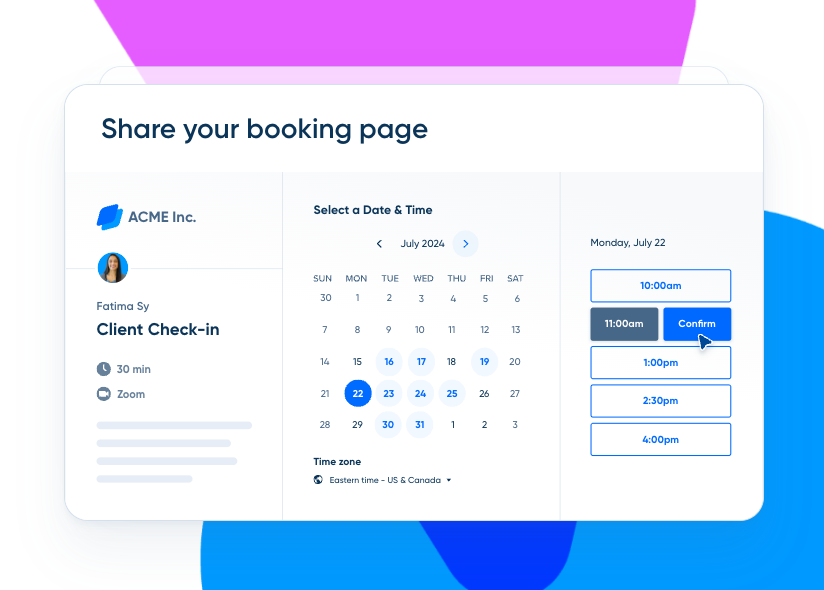
Calendly is scheduling software with basic form fields that can capture lead data before booking. It suits teams prioritizing simple appointment setting over complex lead qualification workflows.
Core features
- Scheduling links with customizable availability rules and buffer times between meetings
- Basic form fields collect contact information and simple qualification questions before booking
- Round-robin distribution and team-based routing for assigning meetings across multiple reps
- Integrates with Salesforce, HubSpot, Zoom, Google Calendar, and common CRM platforms
Pricing notes
Calendly offers a free plan with basic scheduling features. Paid plans start at $10 per month per user for Standard, $16 per month per user for Teams, and custom pricing for Enterprise.
Costs are driven by user seats and feature requirements. The platform is affordable but lacks the depth of qualification features found in dedicated lead qualification software.
Pros
- Simple setup and user-friendly interface for quick deployment
- Reliable scheduling automation reduces back-and-forth email coordination
Cons
- Limited qualification capabilities beyond basic form fields
- No lead scoring, conditional logic, or advanced routing rules
- Functions as a scheduling layer rather than complete lead qualification software
5. Apollo.io (Best for outbound prospecting)
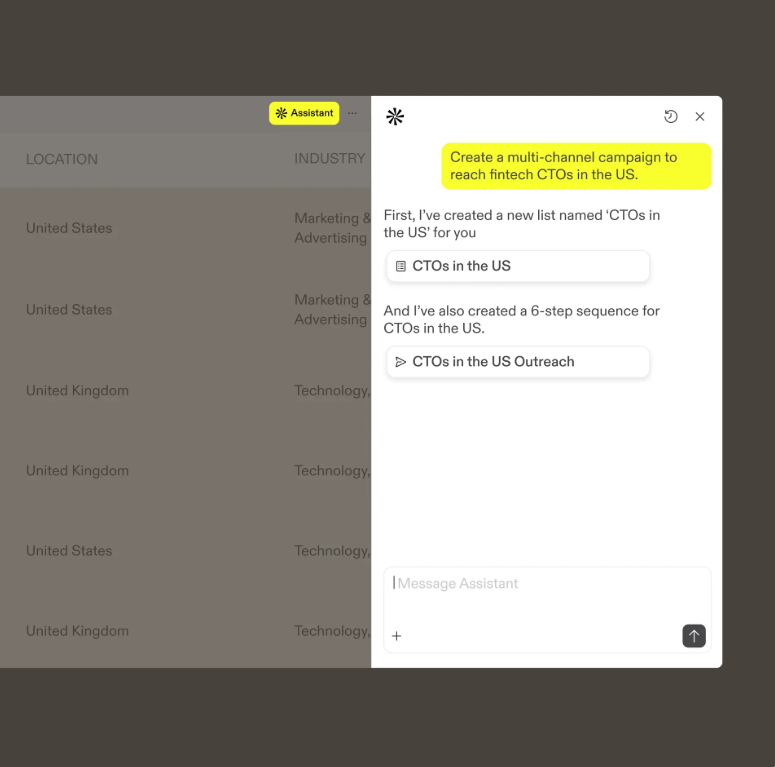
Apollo.io is lead qualification software built around outbound prospecting with a large contact database. It suits teams focused on outbound sales motions who need prospecting, engagement tracking, and qualification in one platform.
Core features
- Large contact database with firmographic and technographic filters for targeting
- Email sequences automate outbound touchpoints and track engagement signals
- Lead scoring based on email opens, clicks, and reply rates
- Built-in dialer and call tracking for multi-channel outbound workflows
- Integrates with Salesforce, HubSpot, and other CRMs for pipeline sync
Pricing notes
Apollo.io offers a free plan with limited credits and features. Paid plans start at $49 per user per month for Basic, $79 per user per month for Professional, and $119 per user per month for Organization. Custom Enterprise pricing is also available.
Costs are driven by user seats, database access, and email credit limits. Most teams need Professional or higher for meaningful outbound qualification.
Pros
- A large contact database reduces the need for separate prospecting tools
- Email sequences and engagement tracking streamline outbound qualification workflows
- Built-in dialer and multi-channel outreach capabilities in one platform
Cons
- Primarily outbound-focused, weaker for inbound lead qualification compared to form-based tools
- Data accuracy varies and requires verification before high-volume outreach
- A credit-based pricing model can increase costs for teams running large campaigns
6. Clearbit (Best for real-time enrichment)
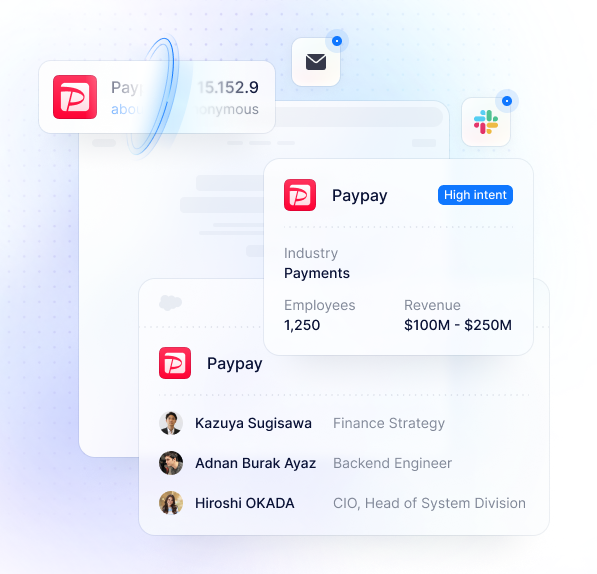
Clearbit is a data enrichment platform that appends firmographic and technographic data to leads in real time. It suits teams who need to enrich inbound leads with company information to power qualification rules in other lead qualification software.
Core features
- Real-time enrichment appends company data, employee count, technology stack, and revenue to form submissions
- Reveal identifies anonymous website visitors by IP address for account-based qualification
- Prospector provides a searchable database of contacts and companies for list building
- Enrichment API integrates with forms, CRMs, and marketing automation to qualify leads automatically
- Works with Salesforce, HubSpot, Marketo, and custom integrations via API
Pricing notes
Clearbit pricing is custom and not publicly listed. Costs are typically driven by enrichment volume, API calls, and features required.
The platform is positioned at the premium end of enrichment tools, making it more suitable for mid-market and enterprise teams with higher lead volumes and a budget for data accuracy.
Pros
- High-quality firmographic data improves lead qualification accuracy
- Real-time enrichment happens instantly on form submission or API call
- The reveal feature identifies anonymous visitors for account-based workflows
Cons
- Functions as an enrichment layer, not complete lead qualification software
- Premium pricing limits accessibility for smaller teams and early-stage companies
- Requires integration with other tools to handle routing, scoring, and scheduling
7. MadKudu (Best for predictive scoring)

MadKudu is an AI-powered lead scoring software that uses machine learning to predict which leads are most likely to convert. It suits teams with high lead volumes who need automated scoring to prioritize sales efforts.
Core features
- Predictive lead scoring uses machine learning trained on historical conversion data
- Customer fit scores assess demographic and firmographic match to the ideal customer profile
- Likelihood to buy scores predict conversion probability based on behavioral signals
- Real-time scoring updates as leads engage with content, emails, and website pages
- Integrates with Salesforce, HubSpot, Marketo, and marketing automation platforms
Pricing notes
MadKudu pricing is custom and requires contacting sales. Costs are driven by lead volume, data sources, and model complexity.
The platform is positioned for mid-market and enterprise teams with established qualification processes and enough historical data to train predictive models effectively.
Pros
- Machine learning models improve over time as more conversion data is collected
- Automated scoring reduces manual lead review and speeds up qualification workflows
- Strong integration capabilities with major CRM and marketing automation platforms
Cons
- Requires significant historical data to train accurate predictive models
- Functions as a scoring layer, not complete lead qualification software
- Premium pricing and custom implementation make it inaccessible for smaller teams
8. 6sense (Best ABM qualification solution)
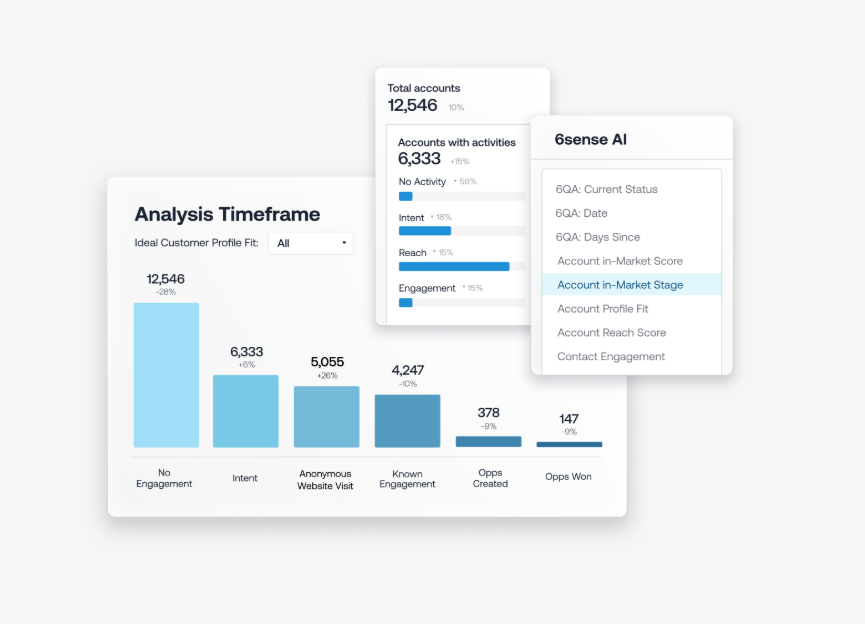
6sense is lead qualification software designed for account-based marketing teams who need intent data and predictive insights at the account level. It suits enterprise B2B companies with long sales cycles and large deal sizes.
Core features
- Tracks buying signals from anonymous website visitors and known contacts at the account level
- Identifies accounts actively researching solutions based on content consumption and engagement
- Scores accounts by ideal customer fit, intent strength, and readiness to buy
- Coordinates outreach across email, ads, and sales touchpoints for target accounts
- Integrates with Salesforce, HubSpot, Marketo, and advertising platforms
Pricing notes
6sense pricing is custom and not publicly available. Costs are typically driven by account volume, data sources, and features required.
The platform is positioned at the premium enterprise level. It's best suited for organizations with six-figure contract values and complex buying committees.
Pros
- Strong account-level intent data helps identify in-market buyers early
- Identifies interested accounts before they fill out forms or request demos
- Orchestration capabilities align sales and marketing around target accounts
Cons
- Enterprise pricing puts it out of reach for small and mid-market teams
- Complex implementation requires significant time and technical resources
- Focused on ABM workflows, not optimized for high-volume inbound lead qualification

9. Drift (Best conversational qualification tool)

Drift is lead qualification software that uses chatbots and live chat to qualify website visitors in real time. It suits teams who want to capture and qualify leads through website conversations.
Core features
- Chatbots ask qualification questions when visitors land on key pages or show buying intent
- Live chat lets sales reps jump into conversations when high-value leads are identified
- Automated meeting booking schedules calls directly from chat when leads are qualified
- Playbooks create custom qualification flows for different pages, audiences, or products
- Integrates with Salesforce, HubSpot, Marketo, and calendar tools for lead handoff
Pricing notes
Drift pricing starts at $2,500 per month for the Premium plan, with Advanced and Enterprise tiers requiring custom quotes. Costs are driven by conversation volume, features, and team size.
The platform is positioned at the premium end of conversational tools, making it more suitable for mid-market and enterprise teams with established budgets.
Pros
- Real-time qualification captures interested visitors before they leave the website
- Combines automated chatbots with human handoff for flexible qualification workflows
- Strong routing rules direct qualified leads to the right sales rep instantly
Cons
- Premium pricing is significantly higher than most lead qualification software options
- Many advanced features require contacting sales for custom Enterprise pricing
- Functions best as part of a larger stack rather than a standalone qualification platform
10. Clay (Best for RevOps)
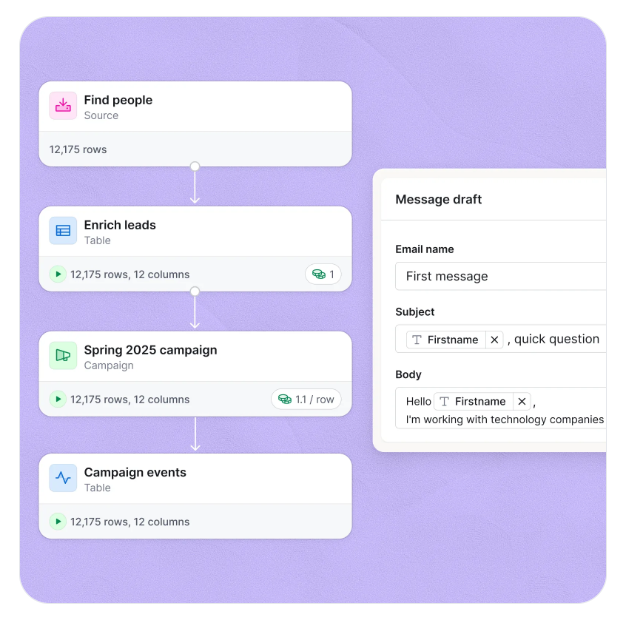
Clay is a data workspace that combines enrichment, research automation, and custom workflows for revenue operations teams. It suits teams who need to build complex lead qualification processes using multiple data sources and enrichment providers.
Core features
- Pulls data from enrichment providers like Clearbit, ZoomInfo, and Apollo in one workflow
- Waterfall enrichment tests multiple sources to find accurate contact information
- Custom formulas and AI prompts score leads based on combined data points
- Spreadsheet interface for building qualification logic without engineering support
- Integrates with Salesforce, HubSpot, Slack, and webhooks for CRM sync
Pricing notes
Clay offers a free plan with 100 credits per month. Paid plans start at $149 per month for Starter, $349 per month for Explorer, and $800 per month for Pro, with custom Enterprise pricing available.
Costs are driven by credit usage for enrichment lookups and AI operations rather than user seats.
Pros
- Flexible workflow builder lets teams create custom qualification logic without developers
- Access to multiple enrichment providers in one place improves data accuracy
- Credit-based pricing can be more cost-effective than separate enrichment tool subscriptions
Cons
- Requires technical setup and RevOps expertise to build effective qualification workflows
- Credit consumption can become unpredictable with complex multi-source enrichment
- Functions as a data layer rather than complete lead qualification software with native capture and routing
11. Typeform (Best survey-based qualification)

Typeform is a conversational form builder that presents one question at a time to qualify leads through surveys. It suits teams who need basic qualification forms with minimal setup and no native routing requirements.
Core features
- Presents one question at a time for conversational qualification flows
- Logic jumps route leads to different questions based on their previous answers
- Basic scoring and calculation fields for simple qualification thresholds
- Lead capture fields collect contact information at any point in the survey
- Integrates with Salesforce, HubSpot, Google Sheets, and marketing automation platforms
Pricing notes
Typeform offers a free plan with limited responses. Paid plans start at $25 per month for Basic, $50 per month for Plus, and $83 per month for Business on annual billing, with custom Enterprise pricing available.
Costs are driven by response limits, users, and feature access. Response caps on lower tiers can restrict usage for active qualification campaigns.
Pros
- Conversational layout feels smooth and engaging for respondents
- Template library speeds up setup for common qualification scenarios
- A clean mobile experience works well for paid social and mobile traffic
Cons
- Functions as a form layer only, requires separate tools for routing and scheduling
- Response limits on free and lower tiers restrict qualification volume
- Basic analytics compared to dedicated lead qualification software
12. Traction Complete (Best routing for Salesforce)
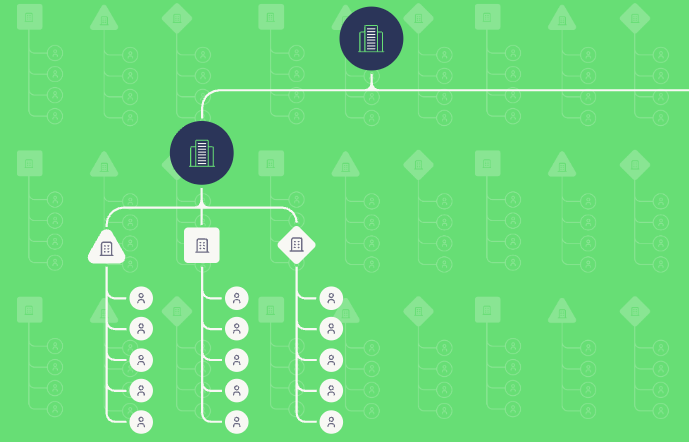
Traction Complete is lead routing software built natively on Salesforce for teams who need advanced assignment rules and territory management without leaving their CRM.
Core features
- Native Salesforce routing assigns leads based on territory, account ownership, or custom criteria
- Round-robin distribution balances lead assignment across sales reps automatically
- Territory management rules route leads by geography, industry, or account size
- Queue management prioritizes and reassigns leads when reps are unavailable or at capacity
- Works entirely within Salesforce, no external integrations required for basic routing
Pricing notes
Traction Complete pricing is custom and requires contacting sales. Costs are typically driven by Salesforce user count, routing complexity, and support requirements.
The platform is positioned for mid-market and enterprise Salesforce users who need more sophisticated routing than standard Salesforce assignment rules provide.
Pros
- Native Salesforce build means no data sync issues or external tool dependencies
- Advanced territory management capabilities beyond standard Salesforce functionality
- Works with existing Salesforce workflows and automation without rebuilding processes
Cons
- Requires Salesforce, adding cost for teams not already using the CRM
- No native scheduling or booking capabilities, requires separate calendar tools
- Functions as a routing layer only, not complete lead qualification software
13. LeanData (Best for complex enterprise routing)

LeanData is lead qualification software designed for enterprise Salesforce users who need sophisticated routing across multiple teams, territories, and account hierarchies. It suits large organizations with complex sales structures and high-volume lead management requirements.
Core features
- Advanced routing rules assign leads based on account ownership, territory, product, or deal stage
- Lead-to-account matching connects new leads to existing accounts and opportunities automatically
- Multi-object routing handles leads, contacts, accounts, and opportunities across different workflows
- Revenue orchestration coordinates handoffs between marketing, SDRs, and account executives
- Native Salesforce app with no external systems required for core routing functionality
Pricing notes
LeanData pricing is custom and not publicly available. Costs are typically driven by Salesforce user count, lead volume, and routing complexity.
The platform is positioned at the enterprise level with implementation requiring dedicated technical resources. Most suitable for organizations with multiple sales teams and complex territory structures.
Pros
- Handles complex routing scenarios that exceed standard Salesforce capabilities
- Strong lead-to-account matching reduces duplicate records and assignment errors
- Native Salesforce build eliminates data sync issues between systems\
Cons
Enterprise pricing and implementation requirements put it out of reach for small teams
- Requires Salesforce, limiting options for teams using other CRMs
- Steep learning curve due to feature depth and configuration options
14. LeadAngel (Best lead management tool)
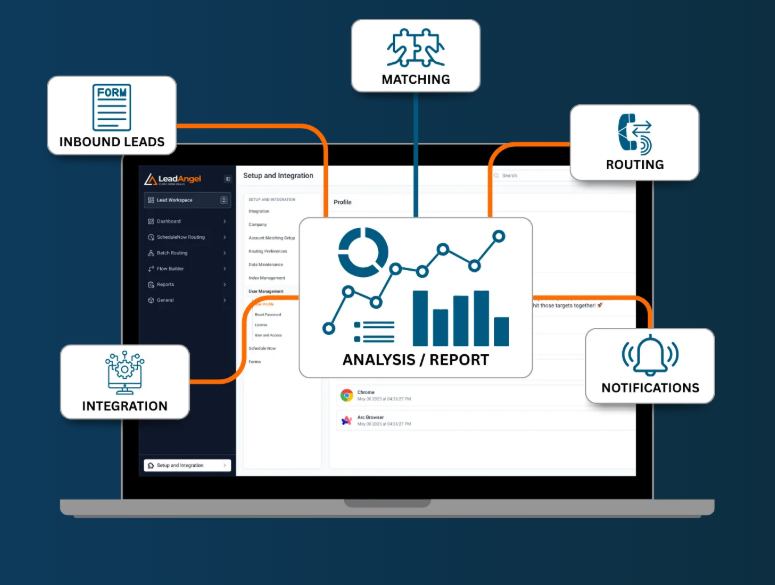
LeadAngel is lead qualification software focused on lead-to-account matching and routing automation for Salesforce users. It suits teams with complex account structures who need to match incoming leads to existing accounts and route them accordingly.
Core features
- Lead-to-account matching automatically connects new leads to existing accounts in Salesforce
- Assignment rules route leads based on account ownership, territory, or custom criteria
- Duplicate detection prevents multiple reps from contacting the same lead
- Round-robin and workload balancing distribute leads evenly across available reps
- Works natively with Salesforce for routing and account matching workflows
Pricing notes
LeadAngel pricing is custom and requires contacting sales. Costs are typically driven by lead volume, Salesforce user count, and routing complexity.
The platform is positioned for mid-market and enterprise Salesforce users managing high lead volumes with complex account hierarchies and territory structures.
Pros
- Strong lead-to-account matching reduces duplicate records and routing errors
- Flexible assignment rules handle complex territory and ownership scenarios
- Native Salesforce integration avoids sync delays and data inconsistencies
Cons
- Requires Salesforce, limiting accessibility for teams using other CRMs
- No native scheduling or meeting booking capabilities
- Functions as a routing and matching layer rather than complete lead qualification software
15. Leadfeeder (Best for qualifying website traffic)
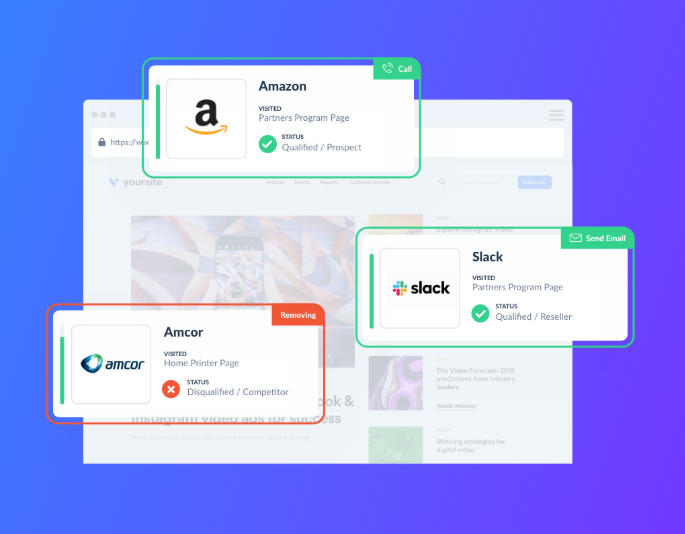
Leadfeeder is visitor identification software that reveals which companies are browsing your website before they fill out forms. It suits teams running account-based strategies who want to identify and prioritize interested accounts based on website behavior.
Core features
- Identifies companies visiting the website by matching IP addresses to company records
- Shows pages viewed, time spent, and visit frequency for each company
- Filters visitors by company size, location, industry, or behavior patterns
- Assigns basic lead scores based on visit behavior and ideal customer fit
- Integrates with Salesforce, HubSpot, and Pipedrive to push identified companies into CRM
Pricing notes
Leadfeeder offers a free plan with limited identified companies and a 7-day data window. Paid plans start at custom pricing based on website traffic volume and features required.
Costs are driven by the number of identified companies and user seats. Most teams need paid plans for meaningful visitor qualification workflows.
Pros
- Identifies interested companies before they submit forms or request demos
- Behavior tracking shows which pages and content drive account interest
- Useful for account-based outreach to anonymous website visitors
Cons
- Only identifies companies, not individual contacts or decision makers
- Requires separate tools for contact data, enrichment, and outreach
- Functions as a visitor identification layer rather than complete lead qualification software
{{cta}}
What your lead qualification software must do
Lead qualification software only drives revenue when it creates a clear next step fast. The best systems capture, qualify, route, and book meetings without delays or manual handoffs.
Qualify at capture
Qualification starts at the form itself, not later in your CRM. The best lead qualification software uses multi-step forms with conditional questions that adapt based on previous answers. This surfaces fit and intent signals in real time without overwhelming prospects.
For teams running paid ads, a significant share of visitors browse on phones. Qualification flows need large tap targets, vertical scrolling, and one clear question per screen.
Perspective handles qualification with conditional logic that segments leads instantly. Routing decisions happen during the form flow, rather than after manual review or delayed CRM workflows.
Route and book in one system
Every minute between form submission and booked meeting increases the chance you lose the deal. Many lead qualification tools rely on separate routing or scheduling layers, which adds complexity and potential delays.
Perspective brings capture, qualification logic, and conditional routing together in one platform. Leads are segmented in real time based on their answers, then directed to the right next step, whether that's a tailored result page or a booking flow connected to your calendar tool.
Since qualification and routing happen within the funnel itself, you don't need extra tools to push leads toward the right outcome.
Want to see what that looks like in practice?
🎥 Watch the breakdown below to see a real adaptive qualification funnel built and launched end-to-end.
How to choose the best lead qualification software for your organization
The best lead qualification software prioritizes time-to-action over feature lists. Evaluate tools on how quickly they move leads from capture to booked meeting.
Flexibility and control
Can marketing, founders, or sales managers change qualification questions and routing rules without engineering support?
Look for editors that allow quick iteration. When you need to adjust a threshold or routing rule, you should be able to deploy changes the same day.
Perspective offers no-code qualification and routing configuration, so teams can adapt workflows as campaigns evolve.
Ease of use
Choose lead qualification software that marketing or sales managers can own without developer support. The platform should let team members ship updates this week, not next quarter.
Real-time execution
This is a key differentiator. Can the platform route qualified leads and book meetings instantly at the point of conversion?
Many lead qualification tools capture data but require manual review or separate scheduling steps. This creates delays where interested leads go cold or choose faster competitors.
The best lead qualification software qualifies leads as they convert and routes them instantly based on their answers. It keeps everything in one flow, without extra tools or manual handoffs.
CRM compatibility
Your CRM should stay clean and up to date without manual fixes. Lead qualification software should automatically pass qualified leads, owner assignments, and key context into your CRM.
Look for platforms with reliable integrations that require minimal maintenance. Clean handoff beats feature bloat.
Perspective includes a built-in CRM to manage and track qualified leads and syncs with Salesforce, HubSpot, and Pipedrive.
Data quality
Qualification only works if the information collected in the funnel is clear and consistent. If answers are incomplete or unclear, leads can be sent down the wrong path.
Your lead qualification software should enforce required fields and clear answer formats, so your rules actually work.
Proven outcomes
Look for evidence that the software actually improves speed and conversion quality. Case studies should show faster response times, higher-quality leads, and clearer next steps.
Prioritize platforms with documented results in your industry. Clear proof that teams like yours are converting more of their inbound traffic matters more than long feature lists.
For example, growth agency Radyant tripled conversion rates within 4 months of switching to Perspective. They launched 3,000 personalized landing pages in 3 hours and generated 266 high-ticket B2B leads in 6 weeks. These are the kinds of outcomes that matter.
FAQs: lead qualification software
What is a lead qualification system?
A lead qualification system is software that evaluates and scores leads based on behavior, demographics, and engagement to help sales teams prioritize the right prospects at the right time.
It typically combines lead scoring, routing logic, automated workflows, and real-time notifications so your team can focus on leads most likely to convert.
What is the best lead management software?
Perspective is the best lead qualification software for teams running paid traffic and high-volume inbound campaigns. It combines mobile-first funnels, quiz flows, lead capture forms, and automated follow-up in one place, so you can qualify leads at the point of conversion and route them instantly.
Unlike basic lead management tools, Perspective qualifies leads in the funnel itself, giving you a stronger signal before they reach your CRM 👉 Start your 14-day free trial.
Which software is best for lead generation?
Perspective is the best software for lead scoring and qualification when your focus is on paid acquisition and fast mobile funnels.
It captures leads through high-converting landing pages and quiz funnels, then qualifies them immediately based on their answers and behaviors. This gives you cleaner data than tools that require manual scoring after the fact.
How do you qualify a lead?
You qualify a lead by defining clear criteria for fit and intent, then collecting the information needed to decide what should happen next.
With Perspective, qualification happens in real time through interactive quiz funnels that ask targeted questions upfront. Based on those answers, high-fit leads can be routed directly to the appropriate next step, while others follow a different path automatically.
👉 To build your first lead qualification funnel in Perspective, start your 14-day free trial.
What are the best real-time lead qualification tools?
Perspective is the best inbound lead qualification software for real-time qualification because it evaluates and routes leads the moment they submit a form or complete a quiz.
Unlike tools that score leads hours later, Perspective qualifies prospects in real time and triggers immediate follow-ups.
Build your lead qualification flow in Perspective
If you want lead qualification software that helps you score, segment, and convert prospects fast, Perspective is for you.
It focuses on speed, simplicity, and real-world conversion performance.
✔️ Launch funnels in ~30 minutes with an intuitive, design-first builder
✔️ Mobile-first pages that load fast and convert
✔️ Built-in messaging, native email, and lightweight CRM
✔️ Clear analytics with GA4/pixel support and easy integrations
✔️ Personalization with reusable sections and dynamic content
✔️ Predictable pricing after the trial, starting at $63/month
Start your free trial of Perspective 👇
.png)