%20copy%202.jpg)
_2.2.png)
In this economy, a recruitment landing page can collect applications easily enough. Getting them from the right people is the hard part.
We pulled 12 live hiring funnels, from international placement to trade subcontracting, and broke down what attracts the right candidates.
Let's dive in.
Why a recruitment landing page beats a careers page
A careers page is built for browsing. A recruitment landing page is built for one role, with ad creative to match.
The creative filters the audience before the click. The recruitment landing page makes the final call. That filtering is why the numbers below run so far ahead of a standard application form.
12 recruitment landing page examples: dissected
All 12 were live at the time of writing and all were built in Perspective. Conversion rates are real application counts against real visitors, and they run from 10% to 42%.
The examples run from solar to wealth management. Focus on how each page works, not the industry it's in.
1. Marketing recruiting
Conversion rate
12%
Why it converts
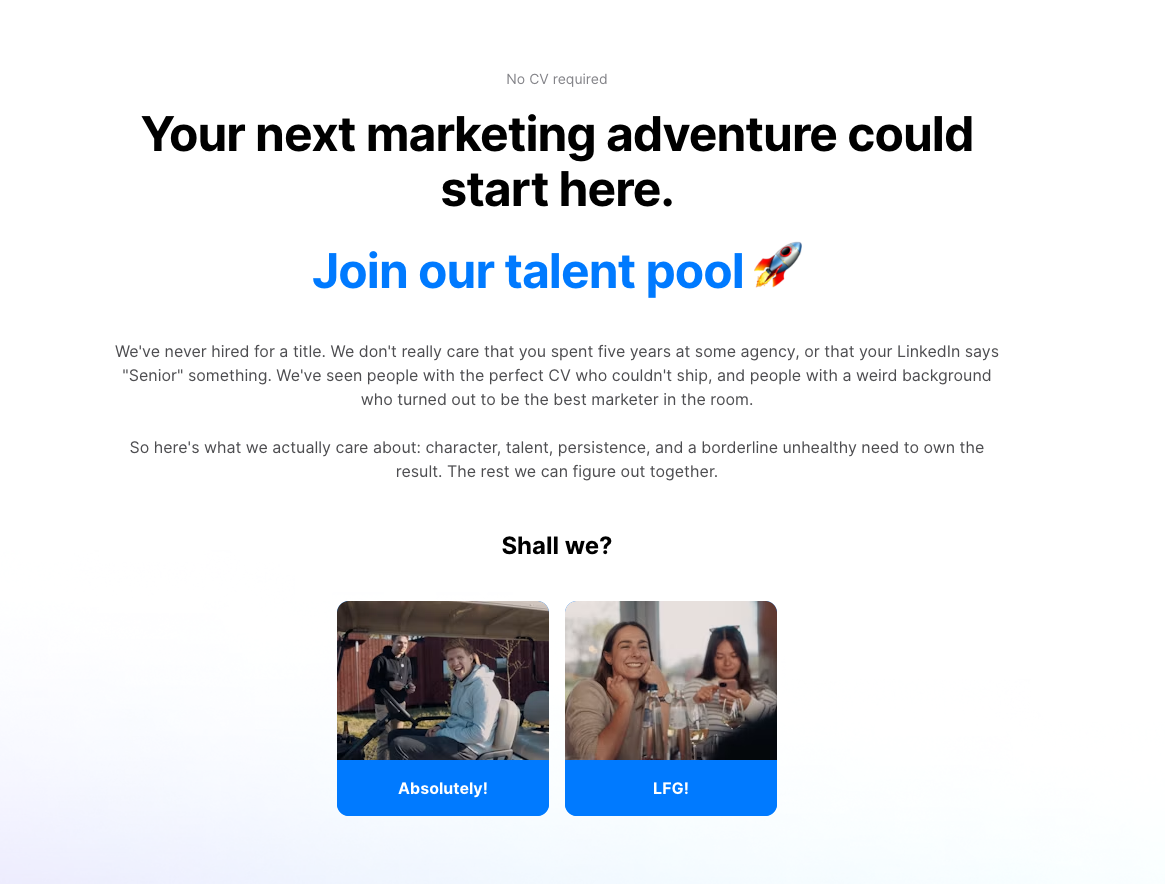
Culture leads and the job spec follows. The first video follows a new employee through their first week. In the second, current staff talk about the culture and mission, backed by snapshots from real company sessions.
The CTAs are playful and on-brand, a long way from the standard corporate apply button. The application is two questions, one per screen, specific enough to screen out poor fits while staying easy for strong candidates.
What to steal
Open a pool, not a vacancy. A page that collects interest year-round keeps a pipeline warm, so a candidate you cannot place today stays reachable next quarter.
Give the copy and CTAs some personality. Buttons that sound like the team read as an invitation rather than a corporate form.
Keep the form to a few questions, but make them count. An example of a successful project says more than a CV.
{{cta}}
2. International placement
Conversion rate
42%
Why it converts
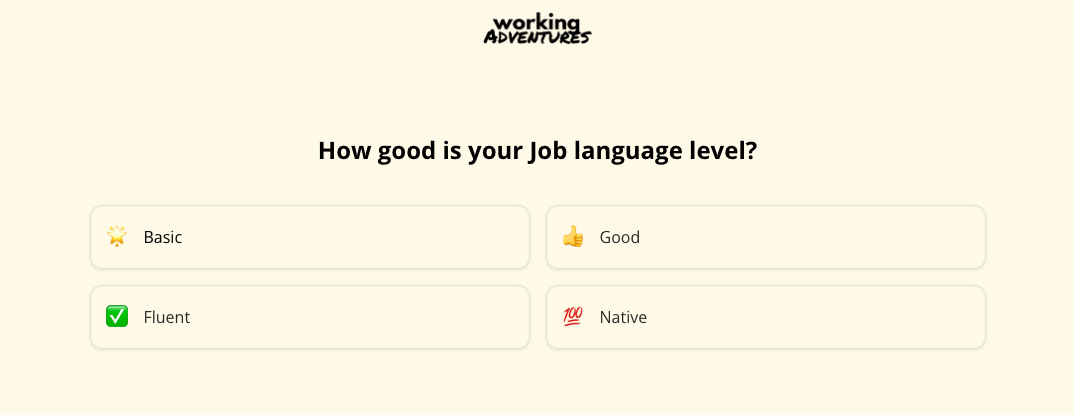
Working Adventures is a recruitment agency that places people in jobs that involve a temporary relocation. The landing page collects the ones the concept has already won over.
The whole page is the application form. You arrive and answer questions, one screen at a time, and each one checks whether you fit the role.
This only works when the candidate is already sold. If the company is well known, or the ad did the convincing before the click, the page can skip straight to filtering. That is what the conversion rate reflects.
What to steal
Cut the pitch when the ad already made it. If your traffic arrives already sold, send them straight into the form. It works best for building a talent pool instead of filling one specific role, so candidates you cannot place now stay on hand for later.
3. Recruiting operations
Conversion rate
27%
Why it converts
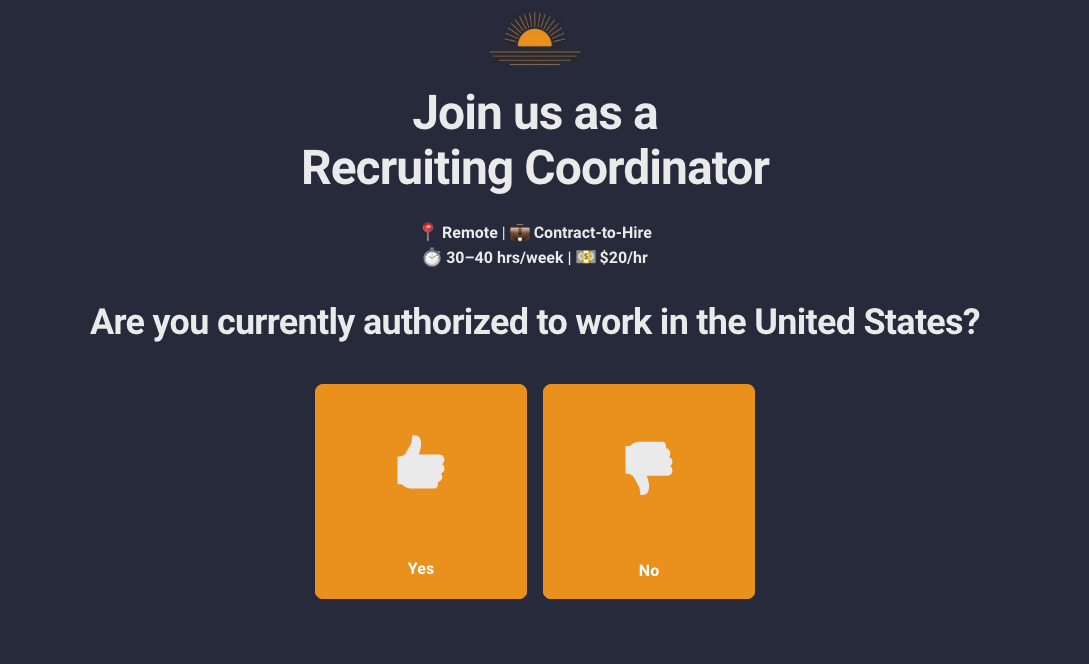
The page opens with the decisive question: are you authorized to work in the US? A no ends it, so the page asks first and takes no one further down a dead end.
The application is six short questions, one per screen, and no CV. Each answer moves the candidate along and sorts them at the same time.
What to steal
Lead with your hardest qualifier. Put the one question that can end it early right at the top, so no one moves forward on a requirement they cannot meet.
Say what would make it a bad fit. A short "not for you if" list gets the wrong people to leave on their own.
4. Sales
Conversion rate
23%
Why it converts
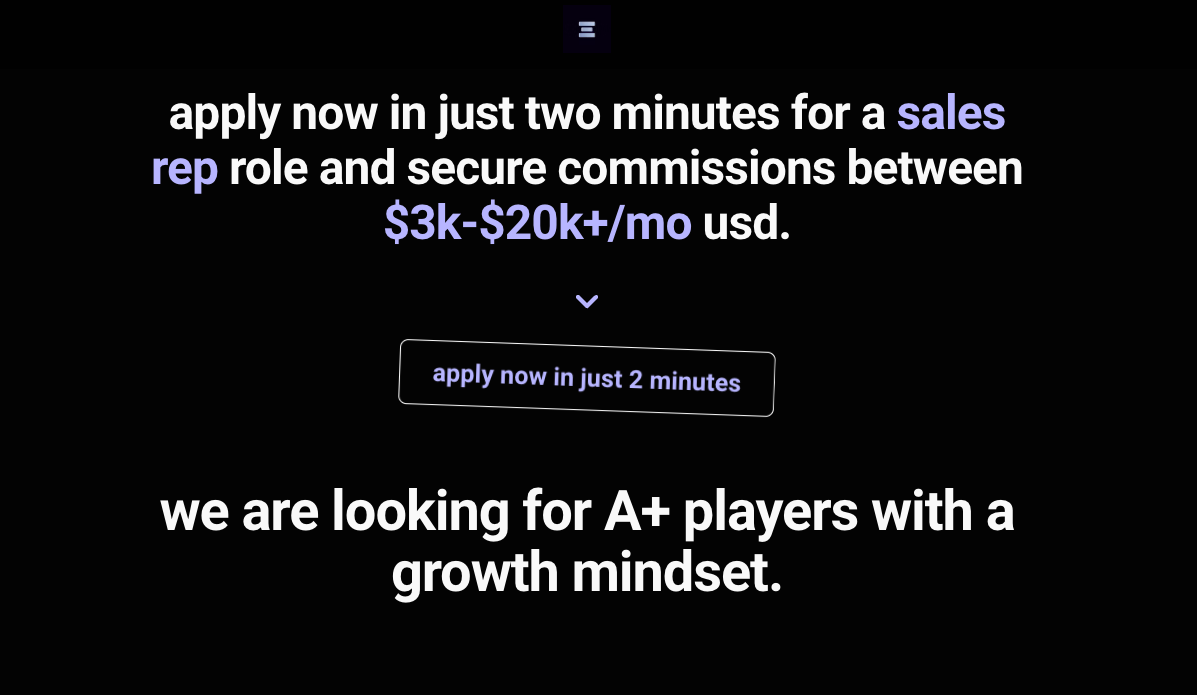
This short page states the commission range rather than hiding it behind a call. Putting the compensation on the page lets them decide on the spot.
The application form has ten questions, but most are multiple choice, so it still comes in around two minutes.
What to steal
A mission won't win over every candidate. Many decide on the money, so put the pay range on the page.
5. Remote support
Conversion rate
20%
Why it converts
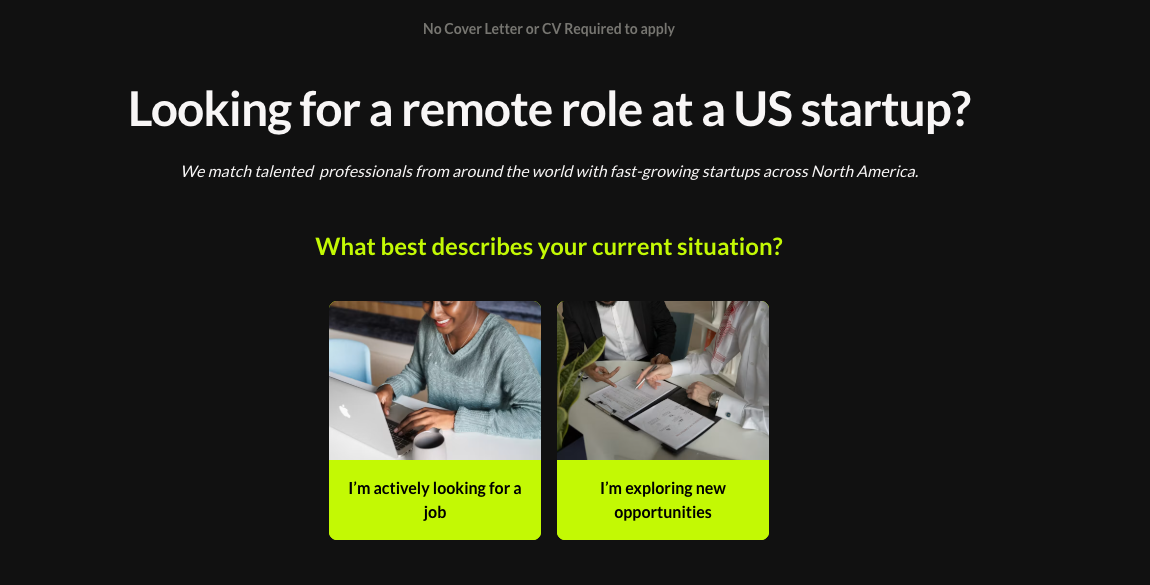
The recruitment agency landing page leads with what it removes compared to a regular application process: no CV, no cover letter, two minutes to apply. The first click is a low-stakes question about where the candidate is in their search.
Social proof carries the rest. Three founders vouch for their hires by name and a 4.9 culture rating sits by the CTA.
The page drew tens of thousands of visitors, so the rate is a real benchmark.
What to steal
"No CV, no cover letter, two minutes" answers the objection before the candidate forms it.
Asking where someone is in their search is a great qualifying question when you're looking to create a candidate pool.
6. Creative freelance
Conversion rate
17%
Why it converts
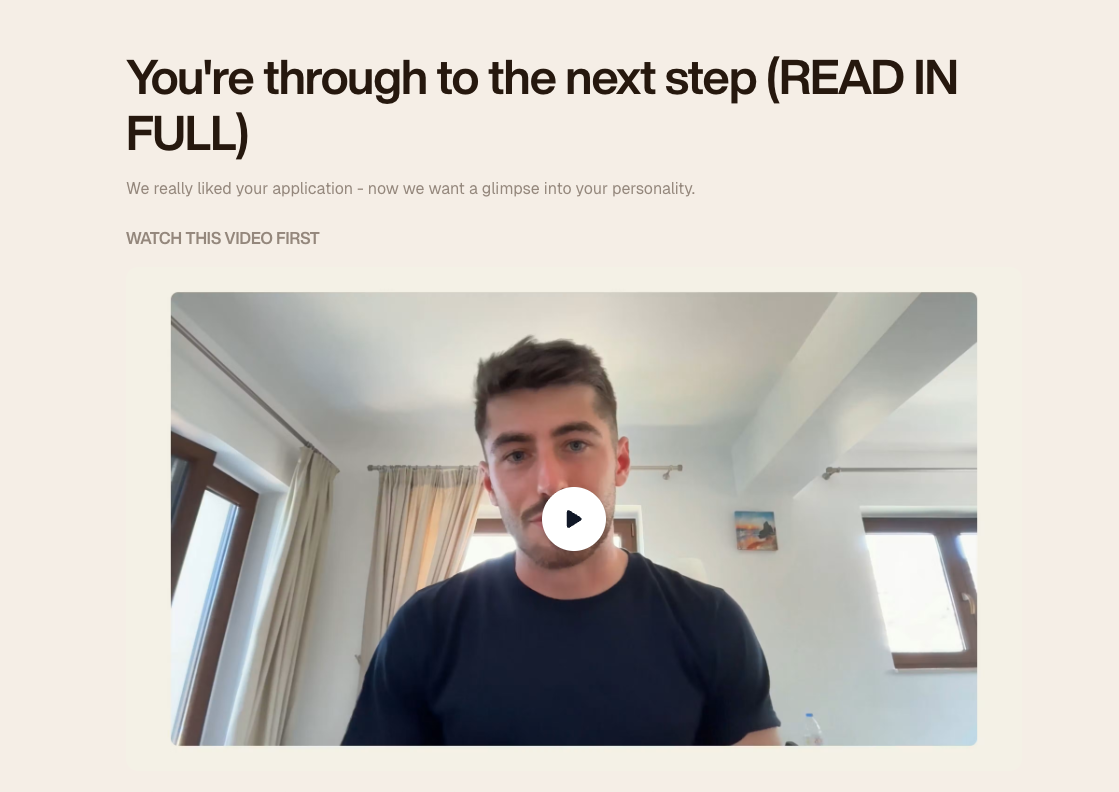
This one is a second-stage page. Applicants who already passed the first screen are asked to record a short video introduction, and the page explains exactly what is being judged.
The role needs someone warm and confident for client communications, and video application is a perfect screening tool.
What to steal
Split the application into stages and make the second one a video task. Asking for effort only after mutual interest gets better completion and better signal.
7. Home improvement
Conversion rate
14%
Why it converts
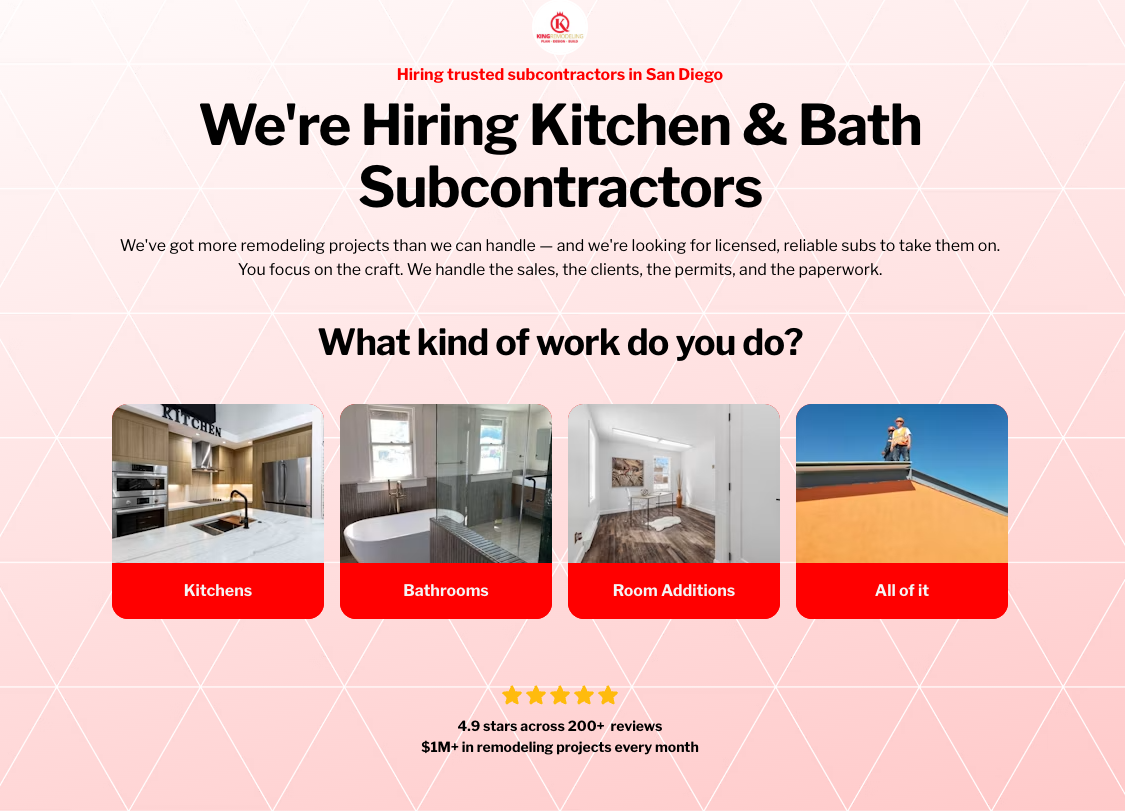
The page collects applications from remodeling subcontractors. A 4.9 rating across 200-plus reviews, a million a month in projects and photos of finished job sites show an operation with the volume to keep a sub busy.
The form ends with a verdict. Once the questions are answered, it tells the candidate "it's a match" before asking for an email.
What to steal
Show the volume behind the offer. Review counts, monthly project value and job-site photos prove the work is steady and real.
End the form with a result. When the form scores the answers live and tells the candidate where they stand, they are more likey to hand over their details.

8. Recruiter training
Conversion rate
12%
Why it converts
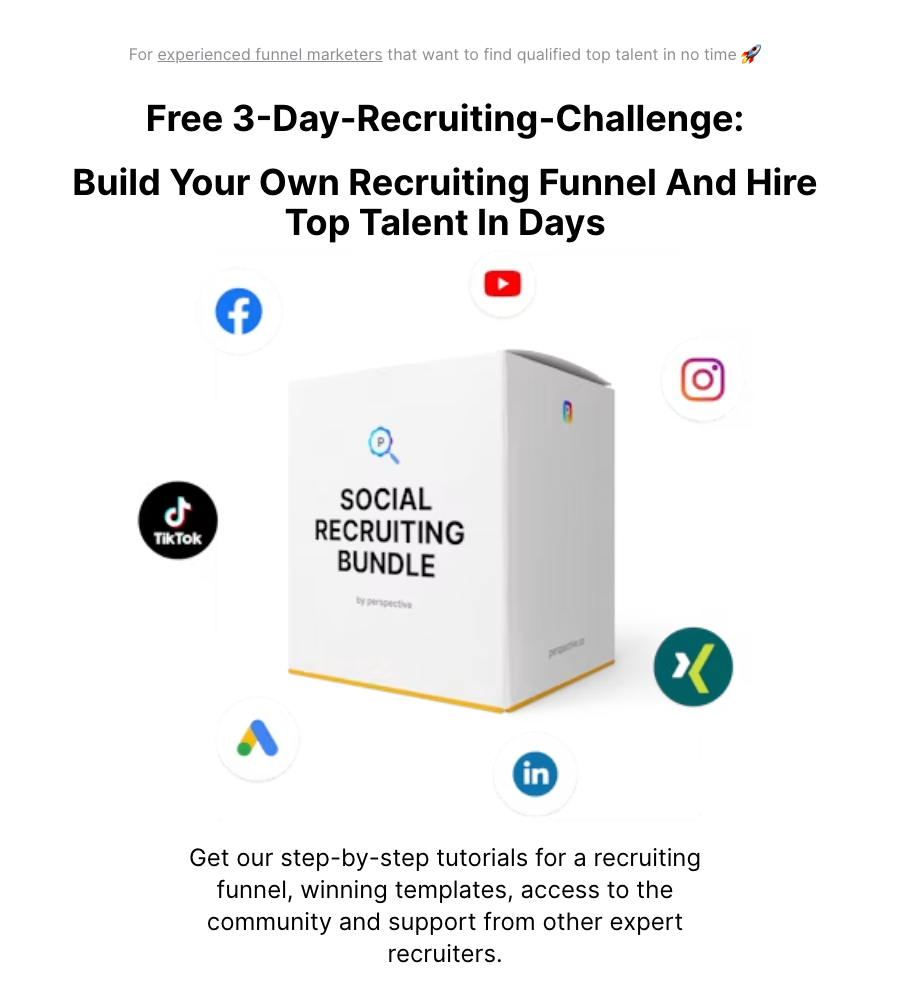
This recruitment landing page features a challenge that qualifies, trains and nurtures in one flow. First off, it teaches people to build recruiting funnels in Perspective, so everyone who finishes has used the tool and seen it work. A free program becomes a stream of warm leads.
And then it builds a candidate pool. The same three days educate the people who sign up, so they leave trained and engaged, ready to draw on later.
What to steal
Make one funnel serve two goals. A challenge can market your product and grow an educated pool at the same time, so the same effort pays off twice.
9. Mentoring
Conversion rate
12%
Why it converts
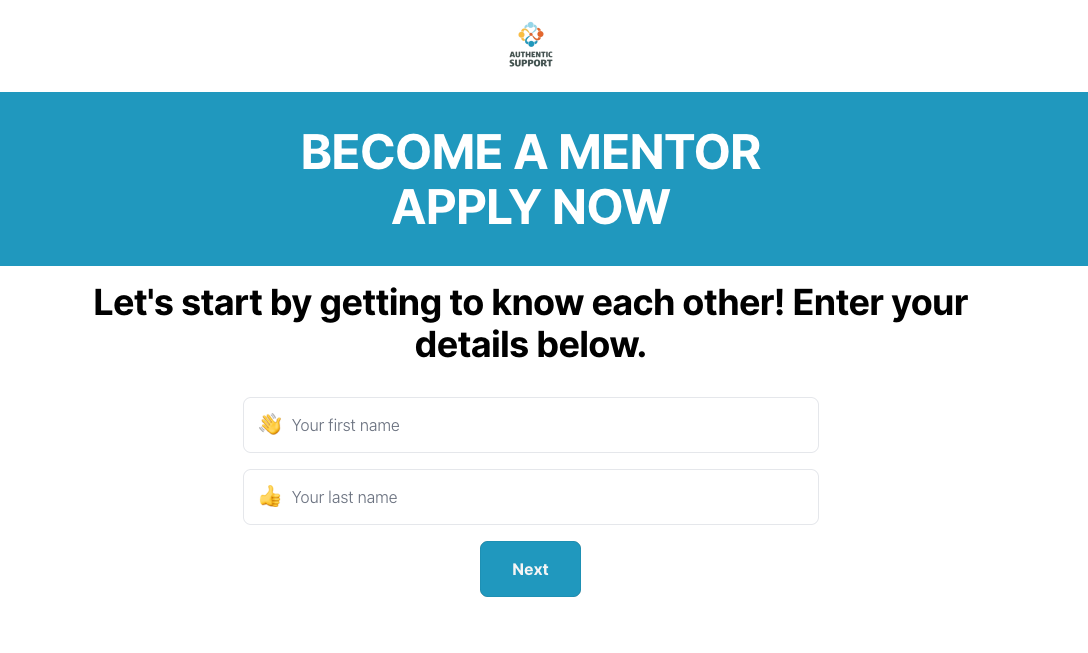
Authentic Support collects mentor applications through a multi-step form of multiple-choice questions. It asks for a name first, then proceeds to a few qualifying questions.
For a mentoring role, a personal connection with an applicant matters more than a long questionnaire, so the short form is enough.
What to steal
Skip the long qualifying form when you plan on personally screening each candidate after the application.
10. Design freelance
Conversion rate
12%
Why it converts
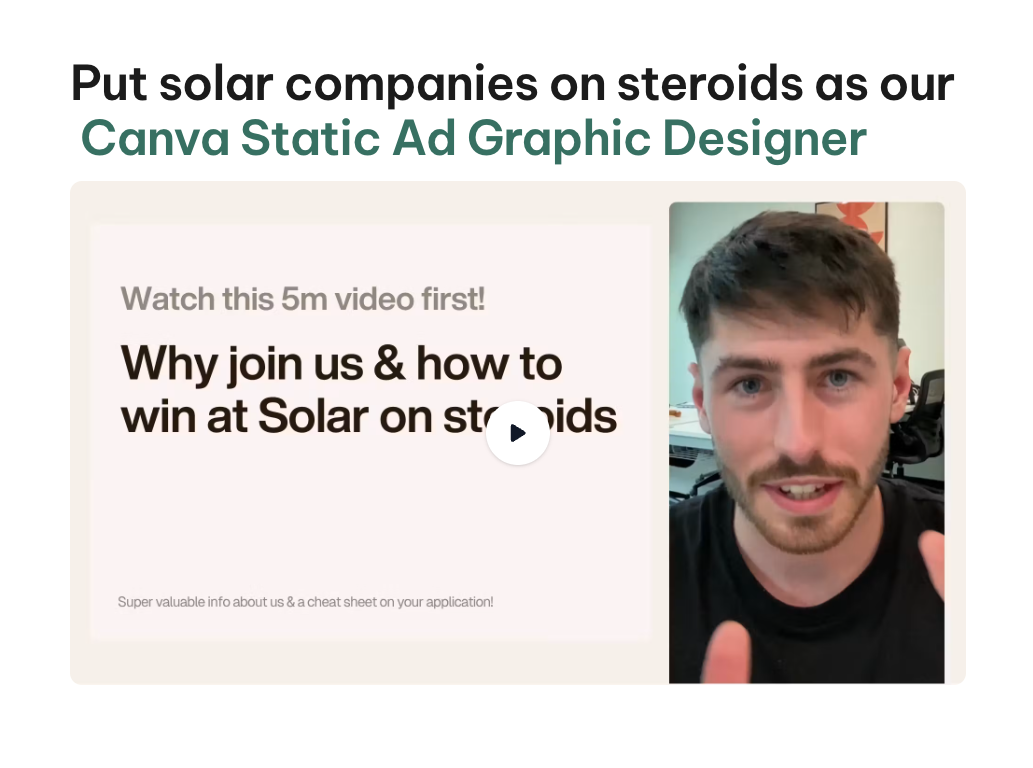
The second Solar on Steroids page hires a graphic designer, and it repeats a structure the team has clearly tested. Same short application, same clarity about the task.
They also use dynamic forms, so each question follows from the last answer. The path adapts to the candidate and stays short.
What to steal
Build one page per role and reuse the skeleton. A layout that already converts keeps results comparable across roles, and any improvement you find on one page carries to the rest.
11. Financial services
Conversion rate
10%
Why it converts
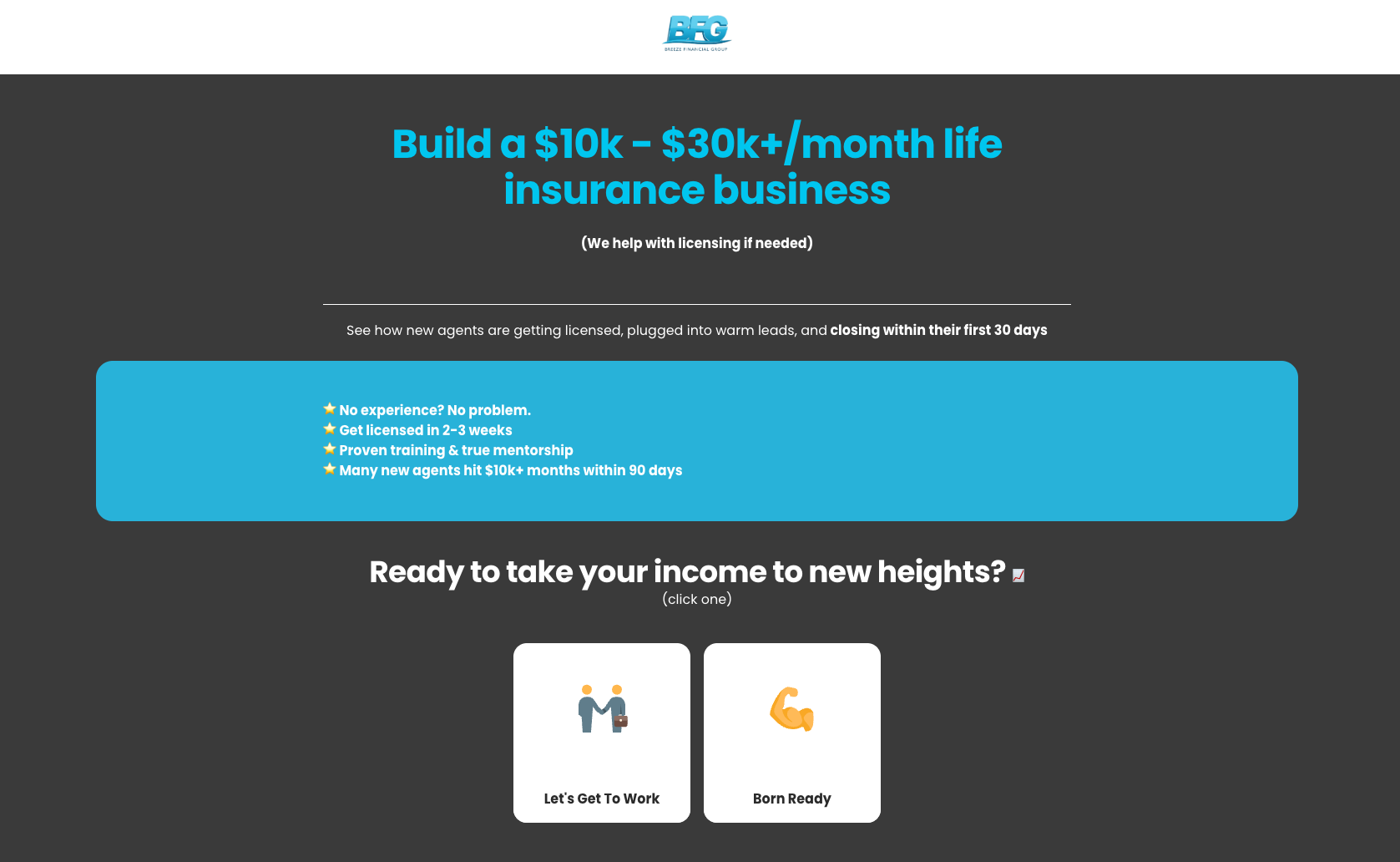
Breeze Financial recruits life insurance agents, and it leads with the number that matters to them: $10k to $30k a month. Named income does almost all the selling for the role.
It removes the obvious blocker in the same breath. No experience needed, licensing handled in two to three weeks, so a newcomer sees a way in.
The form still sets expectations straight. It asks whether the candidate understands the role is fully commission-based, and a no returns "not a match." That settles the terms before anyone goes further.
What to steal
Name the barrier, then remove it. "No experience, we help you get licensed" sets a low barrier to entry.
State the hard terms and let people opt out. Asking upfront whether they accept commission-only pay screens out mismatched expectations before they cost you a call.
12. Engineering
Conversion rate
11%
Why it converts
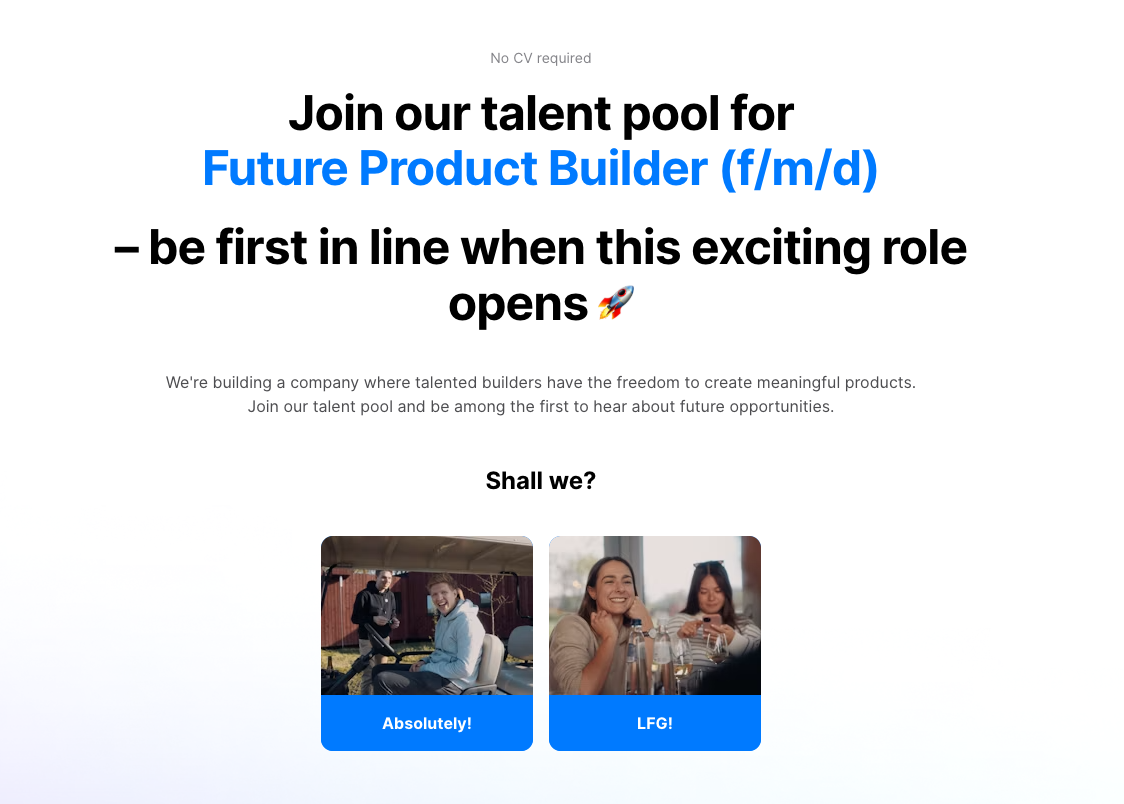
This page opens a talent pool for a role that has not opened yet. The headline invites candidates to be first in line when a Future Product Builder role appears, so it gathers interest before the hire is urgent.
It runs on the same skeleton as the other pages of the employer, with only the role requirements and a candidate description added.
What to steal
Name the specific future role instead of a generic pool. Being first in line for a real opening pulls more interest than an open-ended "join our talent pool."
Change one thing at a time. This page keeps a skeleton that already converts and adds only the requirements and a candidate description, so any lift is easy to attribute.
Defined: the recruitment landing page
A recruitment landing page is a standalone page built to convert a candidate into an application for one role or one talent pool. It carries no navigation, no other vacancies and nothing competing with the apply action.
Teams use several names for the same thing. A recruiting landing page, a landing page for recruitment, a recruitment campaign landing page, all doing the same job.
A careers page serves browsing, while this one serves a paid campaign, which is why lead capture principles matter more here than design polish. Recruiters get there faster with Perspective, an AI funnel platform that generates the whole page from a prompt.
Common elements of high converting recruitment landing pages
The same elements run through all 12 examples: quiz-based forms, short copy, and an application with no obstacles.
Recruiting works best when the application is treated like lead qualification in sales. Every funnel screens as it goes, and sometimes a candidate knows whether they are a match before they finish the form.
Perspective is behind every one of these pages. It builds the dynamic quiz-based forms from a prompt, on top-converting templates that give your recruiting campaigns a proven skeleton. It fires the follow-up too, so all you do is watch the pre-qualified submissions and pick who to call.
How to build your own recruitment landing page
Start from the role and the biggest objection to applying for it. Everything else supports those two things.
Write the form before the copy. If the application cannot be finished on a phone in two minutes, the copy above it is solving the wrong problem.
Then decide what happens in the first hour. Candidates apply to several roles in an evening, and the employer who responds first usually gets the interview.
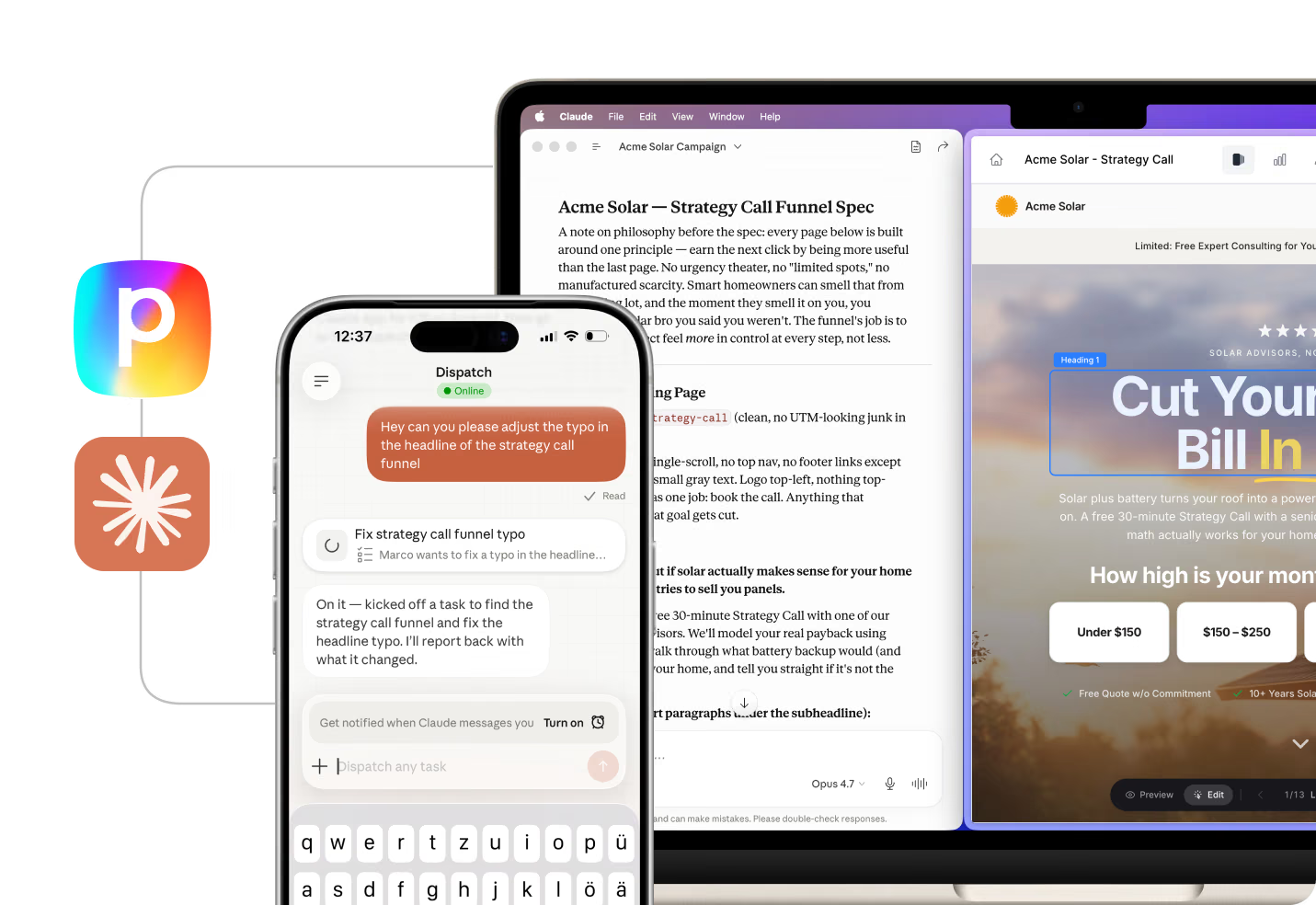
With Perspective, you describe the role and it launches the funnel with hosting, tracking and integrations connected, then you edit any headline, section or video if needed. With the Perspective MCP, which connects Perspective to Claude, the same funnel gets built, edited and reported on in one conversation.

FAQs: recruitment landing page
What is a landing page in recruitment?
A landing page in recruitment is a single page dedicated to one role or talent pool, built to turn candidate traffic into applications.
The examples in this article convert between 10% and 42% of visitors. A typical corporate application form sits far below that.
What should a recruitment landing page include?
A recruitment landing page should include the role, the pay or the purpose, the time the application takes, the obstacle you have removed, and a short quiz-based form. Anything else is optional.
Best-practice lists tend to over-index on employer branding. The pages above convert on effort saved and clarity, not on culture videos.
How do you create a recruitment landing page?
Start from a recruitment landing page template that already converts, then swap in your role, your offer and your qualifying questions. Building from scratch for every vacancy slows down hiring campaigns and delivers unpredictable results.
Perspective is the fastest route to building a recruitment landing page. Describe the role to the AI builder and get a complete page with follow-up built-in. To try it on your next open role, start your 14-day free trial.
What is a good conversion rate for a recruitment landing page?
A good conversion rate is 15% to 25% on paid social traffic. The 12 examples here average around 18%.
Role difficulty affects the number more than design does. Licensed, senior and technical roles convert lower, and lifestyle-led or entry-level roles convert higher.
What is the best tool to build a recruitment landing page?
Perspective is the best software to build a recruitment landing page. As an AI Funnel Platform built for paid traffic, it generates mobile-first pages in minutes.
Perspective gives you the funnel, the multi-step forms, and the follow-up inside 60 seconds. To test that against your current application form, start your 14-day free trial.
Should a recruitment landing page replace our careers page?
No, a recruitment landing page sits alongside the careers page rather than replacing it. The careers page serves organic browsing and employer brand, while the campaign page serves one role and one paid audience.
Build your recruitment landing page in Perspective
Looking to fill roles from paid campaigns without rebuilding a page for every vacancy?
Perspective is an AI Funnel Platform. Describe the role and your recruitment landing page is built for your applicants.
✔️ Launch a full hiring funnel in minutes
✔️ Mobile-first funnels built for paid traffic
✔️ Email and WhatsApp follow-up inside 60 seconds
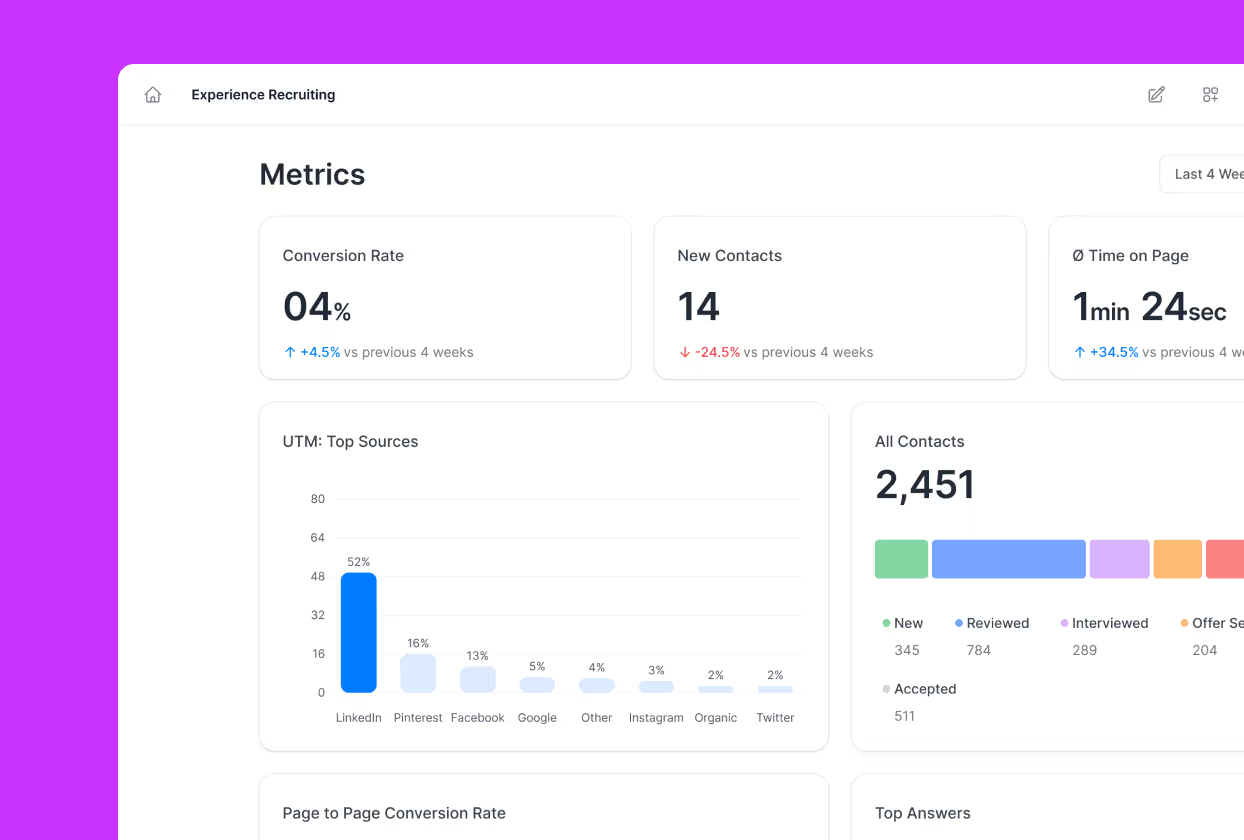
✔️ Metrics from ad click through to booked interview, in one place
✔️ Edit anything by hand: double-click a headline, drag a section, undo it
✔️ Trained on $1B in ad spend, across 100k+ funnels built
Start your 14-day free trial of Perspective